
Conditioning Tips for a Winning Football Season
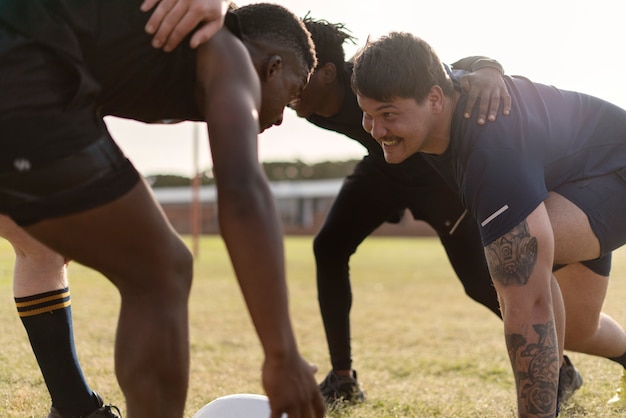
A successful football season doesn’t happen by accident. It requires months of preparation, strategic training, and consistent effort to develop the endurance, strength, and agility necessary for peak performance on the field. Proper conditioning plays a pivotal role in not only preventing injuries but also ensuring that players are physically ready for the demands of each game. Whether you are preparing for a new season or aiming to improve your overall performance, focusing on football season conditioning tips is essential.
1. Build a Strong Foundation with Endurance Training
One of the cornerstones of winning season conditioning exercises is building cardiovascular endurance. Football players are required to perform explosive bursts of speed, followed by moments of recovery. This combination demands an exceptional level of aerobic fitness. To enhance endurance, incorporate long-distance running, interval sprints, and tempo runs into your workout routine.
Interval training, where you alternate between high-intensity and low-intensity periods, is particularly effective in replicating the stop-and-go nature of the game. By pushing yourself during the high-intensity phases and allowing short recovery periods, you’ll prepare your body for the demands of back-and-forth movement on the field. These types of exercises enhance stamina, ensuring you can give your best performance throughout the entire game, from the first whistle to the last.
2. Focus on Strength and Power Development
Football is a sport that heavily relies on strength, power, and explosiveness. Players need to be able to drive through tackles, block opponents, and launch themselves in the air for crucial catches or defensive plays. To achieve this, strength conditioning for football season is crucial.
Strength training should be a balanced mix of compound movements and functional exercises. Squats, deadlifts, and lunges are foundational exercises that will build lower body strength, while bench presses, overhead presses, and rows will target the upper body. For power, plyometric exercises such as box jumps, jump squats, and explosive push-ups can build the fast-twitch muscle fibers necessary for explosive movements.
Additionally, don’t overlook core strength. A strong core is vital for maintaining balance, stability, and the ability to execute plays under pressure. Incorporate exercises like planks, Russian twists, and medicine ball throws to improve rotational power and overall core stability.
3. Agility Training: Change Directions Like a Pro
Agility is critical in football, where players often need to change directions quickly, evade tackles, or chase down the ball. Football fitness tips for success involve training your body to make sharp, controlled movements in any direction. Agility drills such as ladder drills, cone drills, and shuttle runs are excellent for improving foot speed, reaction time, and overall coordination.
To maximize your agility, focus on improving your ability to decelerate quickly and change direction with minimal loss of speed. The quicker you can go from sprinting to stopping and cutting, the better you’ll perform when it matters most in a game. For advanced players, adding resistance to these agility drills, such as using a parachute or weighted vest, can further increase strength and explosiveness in lateral movements.
4. Flexibility and Mobility: Prevent Injury and Improve Range of Motion
A crucial yet often overlooked aspect of conditioning is flexibility and mobility. Football players put their bodies through intense movements, and a lack of flexibility can lead to muscle strains and joint injuries. To combat this, include dynamic stretching, yoga, and foam rolling as part of your routine.
Dynamic stretching before practice or games will activate muscles, enhance joint range of motion, and prepare your body for action. Post-training, incorporate static stretching to lengthen muscles and improve flexibility, which reduces tightness and the risk of injury. Foam rolling and self-myofascial release can also help target specific muscle groups and release muscle knots, promoting faster recovery.
Improved mobility, especially in the hips, ankles, and shoulders, will increase the fluidity of your movements and enhance your performance on the field. A player with optimal flexibility can execute complex movements with ease, resulting in fewer injuries and better technique.
5. Nutrition and Recovery: Fueling Your Body for Success
Conditioning is only one part of the equation. Proper nutrition and recovery are just as important to ensure you’re ready for every game. A diet rich in lean proteins, healthy fats, and complex carbohydrates will provide the energy necessary for intense training and in-game performance. Hydration is also crucial, as even slight dehydration can impair athletic performance and recovery.
Recovery plays a key role in maintaining your conditioning over the course of the season. Ensure you get adequate rest, quality sleep, and use active recovery techniques like light jogging, stretching, or swimming. Muscle soreness and fatigue are common after intense training, so taking time to rest and regenerate will help you avoid burnout and maintain peak physical condition.
Consider incorporating recovery days into your weekly routine, allowing your body to heal and regenerate before tackling the next workout session. Foam rolling, massage therapy, or cold therapy like ice baths can speed up recovery and reduce inflammation, keeping you in top shape for the next game.
6. Mental Conditioning: Focus on Performance Under Pressure
While physical conditioning is undeniably important, mental conditioning is what separates good players from great ones. The ability to perform under pressure, maintain focus, and stay calm in the face of adversity is essential for success. Incorporating mental training, such as visualization techniques and mindfulness practices, can significantly enhance your performance.
Visualization helps players mentally rehearse different game scenarios, boosting confidence and decision-making abilities during actual play. Breathing exercises and mindfulness can help calm the nervous system, enabling players to stay focused and composed when it matters most.
Mental toughness, combined with physical conditioning, will prepare you to face any challenge on the field with resilience and determination.
Conclusion
Achieving a winning football season requires more than just technical skills and talent—it’s about conditioning your body to handle the intensity of the game. By following these football season conditioning tips, including endurance training, strength development, agility drills, flexibility, and proper recovery, you’ll be setting yourself up for success. Remember, consistency is key. Stay committed to your training plan, fuel your body properly, and never underestimate the importance of rest and mental focus. By prioritizing winning season conditioning exercises and following these guidelines, you’ll be ready to excel and make a significant impact this football season.